
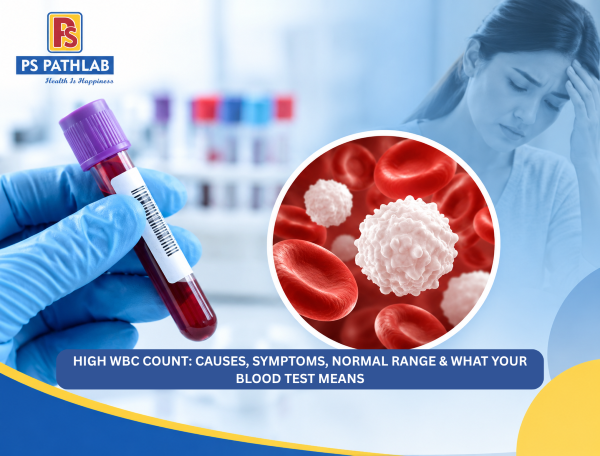
A high WBC count means that your blood contains more white blood cells (WBCs) than the usual range. White blood cells are an important part of the immune system and help the body fight infections, inflammation, and other health problems.
A high white blood cell count is often found during a CBC (Complete Blood Count) test. In many cases, an elevated WBC count is temporary and may occur because of an infection or inflammation. However, sometimes it may require further medical evaluation.
In this guide, we explain the causes of high WBC counts, symptoms, normal WBC count ranges, and what a high WBC result means in your blood test.
What Is a WBC Count?
A WBC count blood test measures the number of white blood cells in a specific amount of blood.
White blood cells, also called leukocytes, help protect your body against bacteria, viruses, fungi, and other harmful substances.
A WBC count is usually included as part of a CBC blood test.
There are several types of white blood cells, including
- Neutrophils
- Lymphocytes
- Monocytes
- Eosinophils
- Basophils
Each type performs a different role in the body's immune response.
What Does a High WBC Count Mean?
A high WBC count is commonly known as leukocytosis.
It means your body is producing or releasing more white blood cells than usual. This can happen when your immune system is responding to an infection, inflammation, physical stress, certain medications, or other conditions.
A high WBC count does not automatically mean that you have a serious disease. Your doctor usually considers your symptoms, medical history, other CBC results, and the specific type of WBC that is elevated.
What Is the Normal WBC Count Range?
The normal WBC count range can vary slightly depending on the laboratory, age, and other factors.
For many healthy adults, a commonly used reference range is approximately
4,000–11,000 white blood cells per microliter (cells/µL).
However, laboratory reference ranges can differ. Therefore, always compare your result with the reference range printed on your laboratory report.
A result above the laboratory's normal range may be considered an elevated WBC count.
What Causes a High WBC Count?
There are many possible high WBC count causes. Some are temporary, while others may require medical evaluation.
1. Infection
One of the most common causes of a high WBC count is an infection.
Bacterial infections, viral infections, and other infections can activate the immune system and increase white blood cell production.
A high WBC count may occur along with symptoms such as
- Fever
- Chills
- Fatigue
- Body aches
- Cough
- Sore throat
2. Inflammation
Inflammatory conditions can also cause an elevated WBC count.
Inflammation may occur because of an injury, autoimmune condition, or other inflammatory disorder.
3. Physical or Emotional Stress
Severe physical stress, intense exercise, injury, surgery, or significant emotional stress can temporarily increase WBC levels.
This type of increase may return toward normal after the underlying stress resolves.
4. Certain Medications
Some medicines can affect white blood cell levels. Corticosteroids, for example, can increase the number of circulating white blood cells.
If your WBC count is high, tell your doctor about any medicines or supplements you are taking.
5. Allergies
Certain allergic reactions can increase specific types of white blood cells, particularly eosinophils.
Your doctor may look at the WBC differential count to understand which type of white blood cell is elevated.
6. Smoking
Smoking can be associated with higher WBC levels in some people.
7. Bone Marrow Disorders
Less commonly, a persistently or significantly high WBC count may be associated with disorders affecting the bone marrow or blood cells.
This is one reason why an unusually high or persistent WBC count should be evaluated by a healthcare professional.
What Are the Symptoms of a High WBC Count?
A high WBC count itself may not cause symptoms.
Instead, symptoms are usually related to the condition causing the elevated WBC count.
Depending on the underlying cause, you may experience:
- Fever
- Fatigue
- Weakness
- Chills
- Body aches
- Swelling
- Pain
- Cough
- Shortness of breath
- Unexplained weight changes
Some people have no symptoms and discover an elevated WBC count during a routine CBC test.
High WBC Count in a CBC Blood Test
A CBC test provides information about several components of your blood, including:
- White blood cells
- Red blood cells
- Hemoglobin
- Hematocrit
- Platelets
When WBC is high, doctors may also examine the WBC differential, which shows the levels of different white blood cell types.
For example, an increase in neutrophils may occur with certain infections or inflammation, while an increase in eosinophils may be associated with allergies or certain parasitic infections.
Therefore, looking at the WBC number alone may not provide the complete picture.
Is a High WBC Count Dangerous?
Not necessarily.
A mildly high WBC count can occur temporarily because of an infection, stress, exercise, inflammation, or medication.
However, a very high WBC count, a persistently elevated WBC count, or a high WBC count accompanied by concerning symptoms should be evaluated by a doctor.
The importance of the result depends on:
- How high the WBC count is
- Which WBC type is elevated
- Your age
- Your symptoms
- Other CBC results
- Your medical history
- Whether the result remains high over time
Can an Infection Cause a High WBC Count?
Yes. Infection is one of the common causes of high WBC counts.
When your immune system detects an infection, your body may produce and release more white blood cells to help fight the invading microorganisms.
However, a high WBC count does not by itself identify the exact infection. Additional tests may be required depending on your symptoms.
Can Stress Increase WBC Count?
Yes. Physical and emotional stress can sometimes cause a temporary increase in white blood cells.
Factors such as intense exercise, injury, surgery, or acute stress may influence WBC levels.
If your WBC count remains elevated, your doctor may recommend repeating the test or performing additional investigations.
Can High WBC Count Indicate Cancer?
A high WBC count does not automatically mean cancer.
Certain blood and bone marrow disorders, including some types of leukemia, can cause abnormal WBC levels. However, many much more common conditions—such as infections and inflammation—can also increase WBC counts.
If your WBC count is unusually high or remains elevated, your healthcare provider may recommend additional tests to determine the cause.
When Should You Worry About a High WBC Count?
You should discuss an elevated WBC result with your doctor, particularly if:
- Your WBC count is significantly above the laboratory range.
- Your WBC count remains high on repeated tests.
- You have a persistent fever.
- You experience unexplained weight loss.
- You have unusual fatigue or weakness.
- You have unexplained bruising or bleeding.
- You have persistent swelling or pain.
- Other CBC results are also abnormal.
The appropriate next step depends on your individual results and symptoms.
How Is a High WBC Count Diagnosed?
The first step is generally a CBC blood test.
If the WBC count is high, your healthcare provider may review:
- Total WBC count
- WBC differential
- Hemoglobin and red blood cell levels
- Platelet count
- Symptoms and medical history
- Medications
- Previous blood test results
Depending on the findings, additional blood tests or other investigations may be recommended.
Can You Lower a High WBC Count Naturally?
There is no single food, supplement, or home remedy that safely lowers a high WBC count in every situation.
The best approach is to identify and address the underlying cause.
For example, if an infection is responsible, treating the infection may allow the WBC count to return to the normal range.
Avoid taking medicines or supplements specifically to lower your WBC count unless advised by a qualified healthcare professional.
Frequently Asked Questions About High WBC Count
What does a high WBC count mean?
A high WBC count means that the number of white blood cells in your blood is above the reference range used by the laboratory. Infection, inflammation, stress, medications, and several other conditions can cause an elevated WBC count.
What is the normal WBC count in adults?
A commonly used adult reference range is approximately 4,000–11,000 cells/µL, although ranges vary between laboratories. Always check the reference range shown on your blood test report.
Is a high WBC count dangerous?
A high WBC count is not necessarily dangerous. Its significance depends on how high it is, which type of WBC is elevated, your symptoms, and other blood test results.
Can a CBC test detect high WBC?
Yes. A CBC (Complete Blood Count) measures your white blood cell count and can identify whether your WBC level is above or below the laboratory's reference range.
What causes a high WBC count without infection?
High WBC counts can sometimes occur because of inflammation, physical or emotional stress, certain medications, smoking, allergies, or other medical conditions.
Should I repeat my CBC if my WBC count is high?
Your doctor may recommend repeating the CBC depending on how high the result is, your symptoms, and the suspected cause. Do not interpret a single abnormal result without considering the complete clinical picture.
Get Your CBC and WBC Count Tested
If you want to understand your WBC count, CBC report, or other blood test results, a laboratory blood test can provide important information about your overall health.
For people searching for a WBC count test in Delhi, a CBC test in Rohini, or a blood test in Rohini, PS PathLab provides pathology and diagnostic testing services.
For accurate interpretation of an abnormal WBC result, always consult a qualified healthcare professional.