
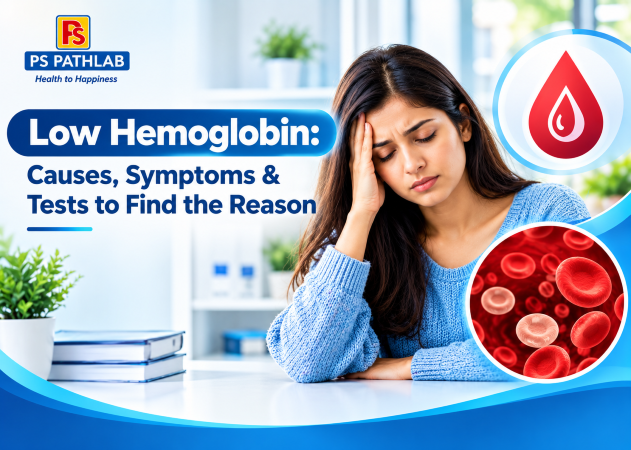
Low hemoglobin is a common blood test finding that may indicate anemia or another underlying health issue. Hemoglobin is a protein in red blood cells that carries oxygen throughout the body. When hemoglobin levels are lower than the expected range, the body may not receive enough oxygen, which can lead to symptoms such as tiredness, weakness, dizziness, or shortness of breath.
Understanding why hemoglobin is low is important because treatment depends on the underlying cause. At PS Pathlab, blood tests such as CBC, iron studies, ferritin, vitamin B12, and folate testing can help healthcare professionals investigate possible causes.
What Does Low Hemoglobin Mean?
Hemoglobin (Hb) is the oxygen-carrying protein found inside red blood cells. A hemoglobin test is usually included as part of a Complete Blood Count (CBC).
A low hemoglobin result can occur because the body:
- Is not producing enough red blood cells
- Is losing blood
- Is destroying red blood cells faster than they can be replaced
- Does not have enough iron, vitamin B12, or folate
- Has certain chronic or underlying health conditions
A single low hemoglobin result does not always identify the exact cause. Further testing may be recommended depending on the person's symptoms, medical history, age, and other blood-test results.
Common Causes of Low Hemoglobin
1. Iron Deficiency
Iron is required to make hemoglobin. Iron deficiency is one of the common causes of anemia and may occur because of inadequate dietary iron, increased requirements, poor absorption, or blood loss.
Doctors may recommend an iron profile and ferritin test to assess iron stores and iron status.
2. Vitamin B12 Deficiency
Vitamin B12 is important for healthy red blood cell production. A deficiency can contribute to anemia and may also be associated with symptoms such as weakness, tiredness, or tingling sensations.
A vitamin B12 blood test can help assess B12 levels.
3. Folate Deficiency
Folate is another nutrient needed for normal red blood cell formation. Low folate levels can contribute to certain types of anemia.
4. Blood Loss
Blood loss can lower hemoglobin levels. Possible sources include heavy menstrual bleeding, injuries, surgery, gastrointestinal bleeding, or other causes.
Persistent or unexplained blood loss should be evaluated by a healthcare professional.
5. Chronic Health Conditions
Some long-term conditions can affect red blood cell production and contribute to anemia. Additional investigations may be needed to identify the underlying condition.
6. Increased Red Blood Cell Destruction
In some conditions, red blood cells may be destroyed faster than the body can replace them. This can result in anemia and may require specialized investigations.
Symptoms of Low Hemoglobin
Mild anemia may sometimes cause no noticeable symptoms. As hemoglobin decreases or anemia becomes more significant, symptoms may include:
- Fatigue or unusual tiredness
- Weakness
- Dizziness or light-headedness
- Headache
- Pale skin
- Shortness of breath, particularly during activity
- Fast or noticeable heartbeat
- Reduced exercise tolerance
- Difficulty concentrating
Symptoms can vary depending on the severity and cause of anemia.
Which Tests Can Find the Cause of Low Hemoglobin?
Finding the reason for low hemoglobin usually involves more than checking hemoglobin alone.
Complete Blood Count (CBC)
A CBC test measures hemoglobin along with other blood-cell parameters, including red blood cell count, hematocrit, MCV, MCH, and MCHC.
These results can provide important clues about the type of anemia.
Iron Profile
An iron profile may include measurements such as serum iron, TIBC, transferrin saturation, and related parameters. These tests can help evaluate iron status.
Ferritin Test
Ferritin is a marker of the body's stored iron. A ferritin test can be useful when investigating suspected iron deficiency.
Vitamin B12 Test
A vitamin B12 test may be recommended when B12 deficiency is suspected as a possible contributor to anemia.
Folate Test
Folate testing may be considered when nutritional deficiency is suspected.
Additional Tests
Depending on the CBC results and clinical history, a healthcare professional may recommend additional tests to investigate blood loss, inflammation, kidney function, thyroid function, or other possible causes.
What Is a Normal Hemoglobin Level?
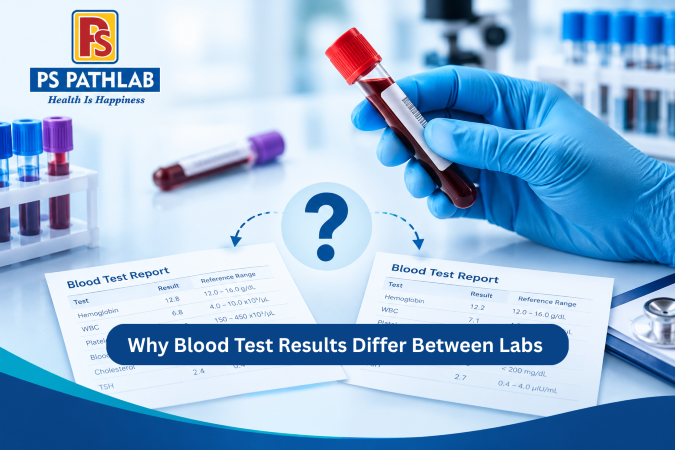
Hemoglobin reference ranges can vary depending on factors such as age, sex, pregnancy status, laboratory methods, and the individual's health.
Because of this, it is best to compare your result with the reference range printed on your laboratory report rather than relying on a single number found online.
If your hemoglobin is below the laboratory's reference range, discuss the result with a qualified healthcare professional.
Is Low Hemoglobin Dangerous?
Low hemoglobin is not necessarily dangerous in every case. The significance depends on how low the level is, how quickly it has changed, the underlying cause, and whether symptoms are present.
Very low hemoglobin or severe symptoms require prompt medical evaluation. Do not try to diagnose or treat the cause based only on a blood test result.
How Can You Increase Hemoglobin?
The right approach depends on the underlying cause.
If iron deficiency is confirmed, a healthcare professional may recommend dietary changes and/or iron supplementation. If vitamin B12 or folate deficiency is responsible, appropriate supplementation may be advised.
Iron-rich foods include legumes, leafy green vegetables, fortified foods, nuts, seeds, and other suitable dietary sources. However, taking iron supplements without identifying the cause of low hemoglobin is not recommended.
When Should You Get Tested?
Consider discussing testing with a healthcare professional if you experience persistent:
- Fatigue
- Weakness
- Dizziness
- Shortness of breath
- Pale skin
- Reduced stamina
- Unexplained changes in your health
Testing may also be recommended when there is suspected nutritional deficiency, blood loss, or another condition associated with anemia.
Blood Tests for Low Hemoglobin at PS Pathlab
If you have been advised to investigate low hemoglobin, PS Pathlab can help with commonly used laboratory investigations such as
- CBC / Complete Blood Count
- Hemoglobin testing
- Iron Profile
- Ferritin
- Vitamin B12
- Folate and other relevant investigations as advised
Choosing the right tests depends on your symptoms and medical history. A healthcare professional can help determine which investigations are appropriate.
Frequently Asked Questions
1. What does low hemoglobin mean?
Low hemoglobin means the hemoglobin level in the blood is below the expected laboratory reference range. It can be associated with anemia and may have several possible causes.
2. What causes low hemoglobin?
Common causes include iron deficiency, vitamin B12 or folate deficiency, blood loss, chronic health conditions, and problems affecting red blood cell production or destruction.
3. Which test is best for low hemoglobin?
A CBC test is usually an important starting point because it measures hemoglobin and provides other red blood cell information. Additional tests such as ferritin, iron profile, vitamin B12, and folate may help identify the cause.
4. Can iron deficiency cause low hemoglobin?
Yes. Iron is needed to produce hemoglobin, and iron deficiency can lead to iron-deficiency anemia.
5. Can vitamin B12 deficiency cause low hemoglobin?
Yes. Vitamin B12 deficiency can affect normal red blood cell production and may contribute to anemia.
6. Is low hemoglobin the same as anemia?
Low hemoglobin can be a sign of anemia, but diagnosing the type and cause of anemia usually requires looking at the complete blood count and, when appropriate, additional investigations.
7. When should I worry about low hemoglobin?
If hemoglobin is significantly below the expected range or you have symptoms such as severe weakness, breathing difficulty, chest discomfort, fainting, or a rapid heartbeat, seek prompt medical attention.